Global Asia-Pacific Used Pickup Truck Growth, Size, Trends Analysis- By Size, By Powertrain, By Sales Channel, By Age, By Range, By Application, By Drive – Regional Outlook, Competitive Strategies and Segment Forecast to 2034

Published: Jan-2026 Report ID: AMIN2604 Pages: 1 - 130 Formats*:     
Category : Automotive & Transportation
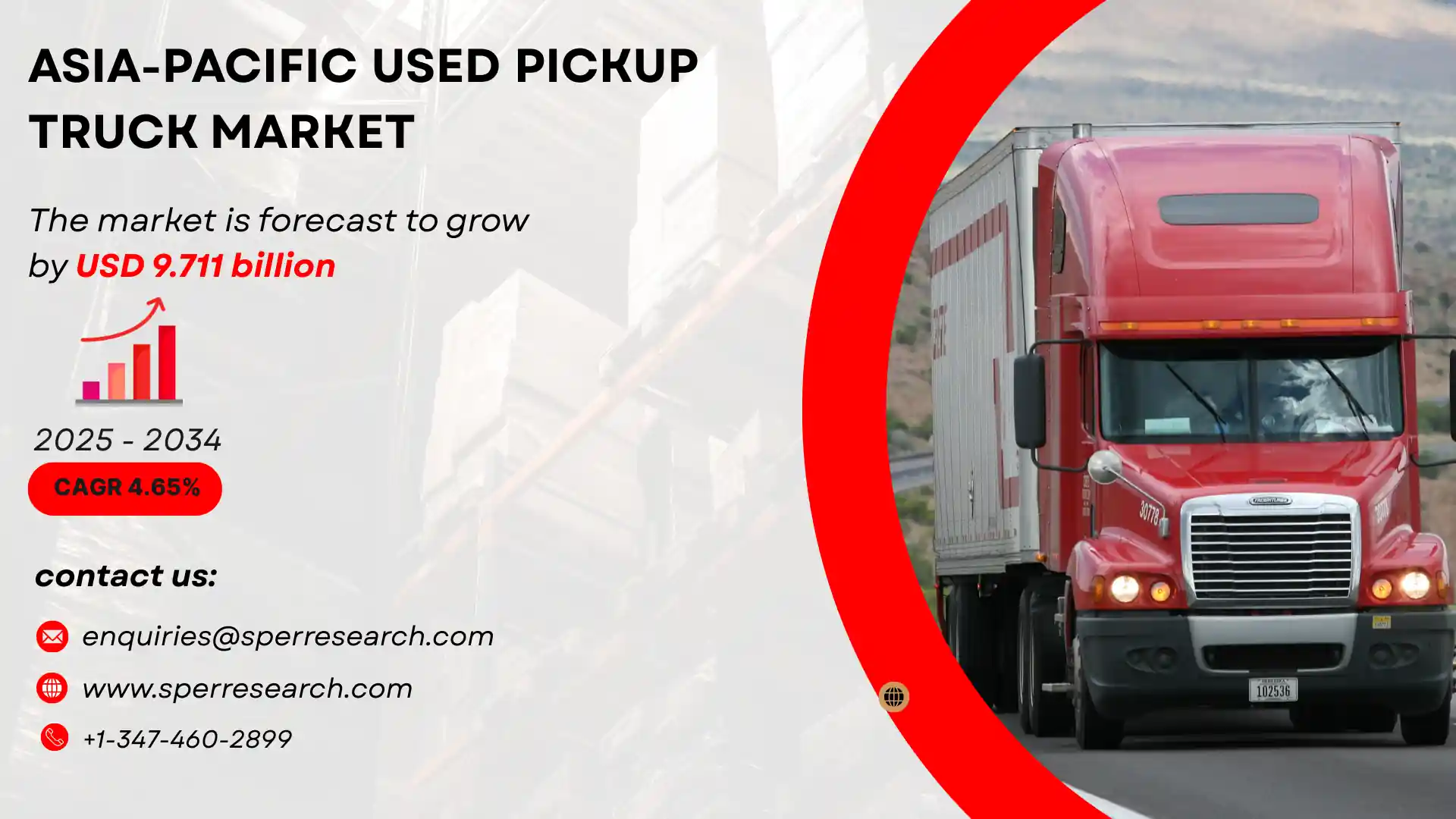
According to SPER Market Research, the Global Asia-Pacific Used Pickup Truck is estimated to reach USD 9.77 billion by 2034 with a CAGR 4.65%.

Introduction and Overview

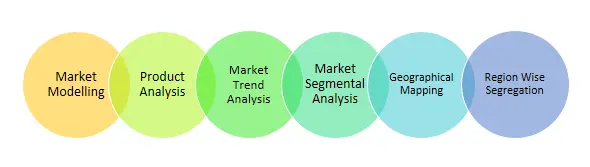
The report includes an in-depth analysis of the Global Asia-Pacific Used Pickup Truck, including market size and trends, product mix, Applications, and supplier analysis.

The Asia-Pacific Used Pickup Truck Market was valued at USD 6.2 billion in 2024 and is expected to grow steadily at a CAGR of around 4.65% from 2025 to 2034. The market is witnessing consistent growth due to increasing demand for cost-effective and durable vehicles across commercial and personal applications. Used pickup trucks are widely preferred in sectors such as construction, agriculture, logistics, and small businesses for their versatility and load-carrying capacity. The expansion of organized used-vehicle dealerships and digital resale platforms is improving transparency and buyer confidence. Rising e-commerce activities, infrastructure development, and strong demand from rural and semi-urban areas are further supporting market growth across the region.

By Size:
In the Asia-Pacific used pickup truck market, mid-size pickup trucks account for the largest share due to their balanced combination of performance, fuel efficiency, and practicality. These vehicles are widely used for personal mobility as well as light commercial activities, including small businesses and farming operations. Their moderate size allows easy navigation in urban and semi-urban areas while still offering sufficient load-carrying capacity. Countries such as Thailand, India, and the Philippines show strong preference for mid-size pickups because they are cost-effective to own and maintain. Compact pickups serve city-focused needs, while full-size trucks face limited demand due to higher fuel and maintenance costs.

By Age:
Pickup trucks aged 5–10 years represent the largest portion of demand in the Asia-Pacific used pickup truck market. Vehicles in this age range are considered reliable and affordable, making them attractive to budget-conscious buyers. They typically offer acceptable mileage, proven durability, and lower depreciation compared to newer models. Buyers also perceive these vehicles as having sufficient remaining lifespan for commercial and personal use. Trucks under three years old are priced higher and resemble new vehicles in cost, while those above ten years often raise concerns related to maintenance, emissions, and reliability, limiting their wider acceptance despite lower prices.

By Range:
The 50,000–100,000 km mileage category holds the largest share in the Asia-Pacific used pickup truck market. Vehicles within this range are widely viewed as dependable while still offering reasonable pricing. Buyers associate this mileage bracket with balanced wear and long-term usability, particularly for commercial and mixed-use applications. Trucks with less than 50,000 km typically command higher prices, reducing affordability. On the other hand, vehicles exceeding 100,000 km often face concerns related to engine wear, higher maintenance costs, and reduced resale value. As a result, the mid-mileage range remains the most preferred option among buyers.

By Powertrain:
Gasoline-powered pickup trucks account for the largest share in the Asia-Pacific used pickup truck market due to their affordability, wide fuel availability, and lower maintenance requirements. These vehicles are particularly popular in developing economies where gasoline infrastructure is well established. Gasoline engines also offer smoother driving experiences for personal and urban use. Diesel-powered pickups are mainly preferred for heavy-duty and commercial applications but face higher servicing costs. Electric and hybrid pickups remain limited in the used market due to higher prices, limited charging infrastructure, and low availability, restricting their adoption across the region.

By Application:
The personal use segment accounts for the largest share of the Asia-Pacific used pickup truck market. Pickup trucks are increasingly used as lifestyle vehicles, supporting daily commuting, recreational travel, and outdoor activities such as camping and off-road driving. Their versatility allows users to balance work and personal needs with a single vehicle. Commercial, construction, and agricultural applications contribute steady demand, particularly in rural and semi-urban areas. However, personal buyers drive higher volumes due to affordability, flexibility, and growing interest in utility vehicles for non-commercial purposes across the region.

By Drive:
Rear-wheel drive (2WD) pickup trucks represent the largest share in the Asia-Pacific used pickup truck market. These vehicles are favored for their lower purchase price, improved fuel efficiency, and reduced maintenance costs compared to four-wheel drive models. Two-wheel drive pickups are well suited for urban transport, light commercial use, and highway driving. They meet the needs of most personal and small business users operating on paved roads. Four-wheel drive pickups are mainly preferred for rugged terrain, construction sites, and agricultural use but remain secondary due to higher ownership and servicing costs.

By Sales Channel:
Independent dealers account for the largest share of sales in the Asia-Pacific used pickup truck market. These dealers offer a wide variety of vehicle options, competitive pricing, and flexible negotiation, making them attractive to cost-sensitive buyers. Independent dealerships also play a key role in regional and rural markets where franchise networks are limited. Franchise dealers provide certified vehicles but often at higher prices. Peer-to-peer sales platforms are expanding with digitalization and online listings; however, concerns related to vehicle inspection, trust, and after-sales support currently limit their overall market contribution.


Regional insights:
The Asia-Pacific used pickup truck market shows varied performance across key countries and sub-regions. China represents the largest share, supported by strong demand from urban development, logistics, and rural transportation needs. Japan and South Korea exhibit steady demand driven by high vehicle turnover, reliable resale channels, and preference for well-maintained used vehicles. India is emerging rapidly due to rising infrastructure activity, expanding small businesses, and growing acceptance of used commercial vehicles. Australia and New Zealand show stable demand, supported by agriculture, mining, and outdoor lifestyle usage. Southeast Asia, led by Thailand, Malaysia, the Philippines, and Singapore, demonstrates strong growth driven by pickup-centric mobility, construction activity, and expanding digital used-vehicle platforms across the region.

Market Competitive Landscape:
The Asia-Pacific Used Pickup Truck is highly consolidated. Some of the market key players are Autocraft Japan, Daimler Truck, Dandy Truck Sales, Ford Motor Company, General Motors, Mahindra, MB Motor, Tata Motor, Toyota Motor, Volvo Trucks

Recent Developments:
  • In March 2025, Gurugram- headquartered Trucks Up banded with HDFC Bank, allowing new and habituated truck backing availability. Not only did it enable a digital loan processing approach with a substantial reversal time drop but also created lesser fiscal addition for individual motorists and small line possessors.
  • In March 2025, Trucks Up blazoned its new digital business Trucks Hub. Trucks Hub aims to reorganize and revise the used truck sector within India’s fractured request. Upon rolling- out, Truck Hub offered Kwik Checks with pros, support with backing and end- to- end options while all exchanges on the platform were vindicated.
  • In August 2023, Ashok Leyland launched Re-AL, their own devoted-marketplace for used marketable vehicles, and their original end with the launch of Re-AL was to give guests with a flawless experience that would allow them to buy or vend used exchanges within its e-marketplace. Re-AL would equip guests with an easy and transparent way to trade in their vehicles and upgrade them into new Ashok Leyland exchanges or motorcars.
  • In June of 2023, Daimler India Commercial Vehicles launched its first- ever, Bharat Benz Certified action as it officially entered the pre-owned marketable vehicles request. This program is to contemporize refurbished exchanges and have instruments on pre-owned Bharat Benz exchanges to vend to guests that are high- quality, dependable vehicles with full examination and revamping norms.

Scope of the report:
Report MetricDetails
Market size available for years2021-2034
Base year considered2024
Forecast period2025-2034
Segments coveredBy Size, By Powertrain, By Sales Channel, By Age, By Range, By Application, By Drive
Regions coveredNorth America, Latin America, Asia-Pacific, Europe, and Middle East & Africa
Companies CoveredAutocraft Japan, Daimler Truck, Dandy Truck Sales, Ford Motor Company, General Motors, Mahindra, MB Motor, Tata Motor, Toyota Motor, Volvo Trucks


Key Topics Covered in the Report
  • Global Asia-Pacific Used Pickup Truck Size (FY’2021-FY’2034)
  • Overview of Global Asia-Pacific Used Pickup Truck
  • Segmentation of Global Asia-Pacific Used Pickup Truck by Size (Compact, Mid-Size, Full- Size)
  • Segmentation of Global Asia-Pacific Used Pickup Truck by Age (Up to 3 years
  • 5-10 years, above 10 years)
  • Segmentation of Global Asia-Pacific Used Pickup Truck by Range (Less than 50,000, 50,000-1,00,000 km, above 1,00,000 km)
  • Segmentation of Global Asia-Pacific Used Pickup Truck by Powertrain (Gasoline, Diesel, Electric, Hybrid)
  • Segmentation of Global Asia-Pacific Used Pickup Truck by Application (Personal, Commercial)
  • Segmentation of Global Asia-Pacific Used Pickup Truck by Drive (Rear-wheel drive, Four-wheel drive)
  • Segmentation of Global Asia-Pacific Used Pickup Truck by Sales Channel (Franchise Dealers, Independent Dealers, Peer-to-peer)
  • Statistical Snap of Global Asia-Pacific Used Pickup Truck
  • Expansion Analysis of Global Asia-Pacific Used Pickup Truck
  • Problems and Obstacles in Global Asia-Pacific Used Pickup Truck
  • Competitive Landscape in the Global Asia-Pacific Used Pickup Truck
  • Details on Current Investment in Global Asia-Pacific Used Pickup Truck
  • Competitive Analysis of Global Asia-Pacific Used Pickup Truck
  • Prominent Players in the Global Asia-Pacific Used Pickup Truck
  • SWOT Analysis of Global Asia-Pacific Used Pickup Truck
  • Global Asia-Pacific Used Pickup Truck Future Outlook and Projections (FY’2025-FY’2034)
  • Recommendations from Analyst

1.Introduction
1.1. Scope of the report
1.2. Market segment analysis 

2.Research Methodology
2.1. Research data source
2.1.1. Secondary Data
2.1.2. Primary Data
2.1.3. SPER’s internal database
2.1.4. Premium insight from KOL’s
2.2. Market size estimation
2.2.1. Top-down and Bottom-up approach
2.3. Data triangulation

3.Executive Summary

4.Market Dynamics
4.1. Driver, Restraint, Opportunity and Challenges analysis
4.1.1. Drivers
4.1.2. Restraints
4.1.3. Opportunities
4.1.4. Challenges

5.Market variable and outlook
5.1. SWOT Analysis
5.1.1. Strengths
5.1.2. Weaknesses
5.1.3. Opportunities
5.1.4. Threats
5.2. PESTEL Analysis
5.2.1. Political Landscape
5.2.2. Economic Landscape
5.2.3. Social Landscape
5.2.4. Technological Landscape
5.2.5. Environmental Landscape
5.2.6. Legal Landscape
5.3. PORTER’s Five Forces 
5.3.1. Bargaining power of suppliers
5.3.2. Bargaining power of buyers
5.3.3. Threat of Substitute
5.3.4. Threat of new entrant
5.3.5. Competitive rivalry
5.4. Heat Map Analysis

6.Competitive Landscape
6.1. Global Asia-Pacific Used Pickup Truck Market Manufacturing Base Distribution, Sales Area, Product Type 
6.2. Mergers & Acquisitions, Partnerships, Product Launch, and Collaboration in Global Asia-Pacific Used Pickup Truck Market

7.Global Asia-Pacific Used Pickup Truck Market, By Size, (USD Million) 2021-2034 
7.1. Compact
7.2. Mid-size
7.3. Full-size

8.Global Asia-Pacific Used Pickup Truck Market, By Age, (USD Million) 2021-2034 
8.1. Up to 3 years
8.2. 5-10 years
8.3. Above 10 years

9.Global Asia-Pacific Used Pickup Truck Market, By Range, (USD Million) 2021-2034 
9.1. Less than 50,000
9.2. 50,000-1,00,000 km
9.3. Above 1,00,000 km

10.Global Asia-Pacific Used Pickup Truck Market, By Powertrain, (USD Million) 2021-2034 
10.1. Gasoline
10.2. Diesel
10.3. Electric
10.4.  Hybrid

11.Global Asia-Pacific Used Pickup Truck Market, By Application, (USD Million) 2021-2034 
11.1.  Personal
11.2. Commercial
11.2.1. Construction and heavy equipment
11.2.2. Agriculture and farming
11.2.3. Landscaping and outdoor services
11.2.4. Utility and municipal use

12.Global Asia-Pacific Used Pickup Truck Market, By Drive, (USD Million) 2021-2034 
12.1. Rear-wheel drive
12.2. Four-wheel drive

13.Global Asia-Pacific Used Pickup Truck Market, By Sales Channel, (USD Million) 2021-2034 
13.1. Franchise Dealers
13.2. Independent Dealers
13.3. Peer-to-peer


14.Global Asia-Pacific Used Pickup Truck Market, (USD Million) 2021-2034 
14.1. Global Asia-Pacific Used Pickup Truck Market Size and Market Share

15.Global Asia-Pacific Used Pickup Truck Market, By Region, 2021-2034 (USD Million)
15.1. Asia-Pacific
15.1.1. Australia
15.1.2. China
15.1.3. India
15.1.4. Japan
15.1.5. South Korea
15.1.6. Rest of Asia-Pacific
15.2. Europe
15.2.1.France
15.2.2. Germany
15.2.3. Italy
15.2.4. Spain
15.2.5. United Kingdom
15.2.6. Rest of Europe
15.3 Middle East and Africa
15.3.1. Kingdom of Saudi Arabia 
15.3.2. United Arab Emirates
15.3.3. Qatar
15.3.4. South Africa
15.3.5.Egypt
15.3.6. Morocco
15.3.7. Nigeria
15.3.8. Rest of Middle-East and Africa
15.4. North America
15.4.1. Canada
15.4.2. Mexico
15.4.3. United States
15.5. Latin America
15.5.1. Argentina
15.5.2. Brazil
15.5.3. Rest of Latin America 

16.Company Profile
16.1. Autocraft Japan
16.1.1. Company details
16.1.2. Financial outlook
16.1.3. Product summary 
16.1.4. Recent developments
16.2. Daimler Truck
16.2.1. Company details
16.2.2. Financial outlook
16.2.3. Product summary 
16.2.4. Recent developments
16.3. Dandy Truck Sales
16.3.1. Company details
16.3.2. Financial outlook
16.3.3. Product summary 
16.3.4. Recent developments
16.4. Ford Motor Company
16.4.1. Company details
16.4.2. Financial outlook
16.4.3 Product summary 
16.4.4. Recent developments
16.5. General Motors
16.5.1. Company details
16.5.2. Financial outlook
16.5.3. Product summary 
16.5.4. Recent developments
16.6. Mahindra
16.6.1. Company details
16.6.2. Financial outlook
16.6.3. Product summary 
16.6.4. Recent developments
16.7. MB Motor
16.7.1. Company details
16.7.2. Financial outlook
16.7.3. Product summary 
16.7.4. Recent developments
16.8. Tata Motor
16.8.1. Company details
16.8.2. Financial outlook
16.8.3. Product summary 
16.8.4. Recent developments
16.9. Toyota Motor
16.9.1. Company details
16.9.2. Financial outlook
16.9.3. Product summary 
16.9.4. Recent developments
16.10. Volvo Trucks
16.10.1. Company details
16.10.2. Financial outlook
16.10.3. Product summary 
16.10.4. Recent developments

17. Conclusion

18. List of Abbreviations

19. Reference Links

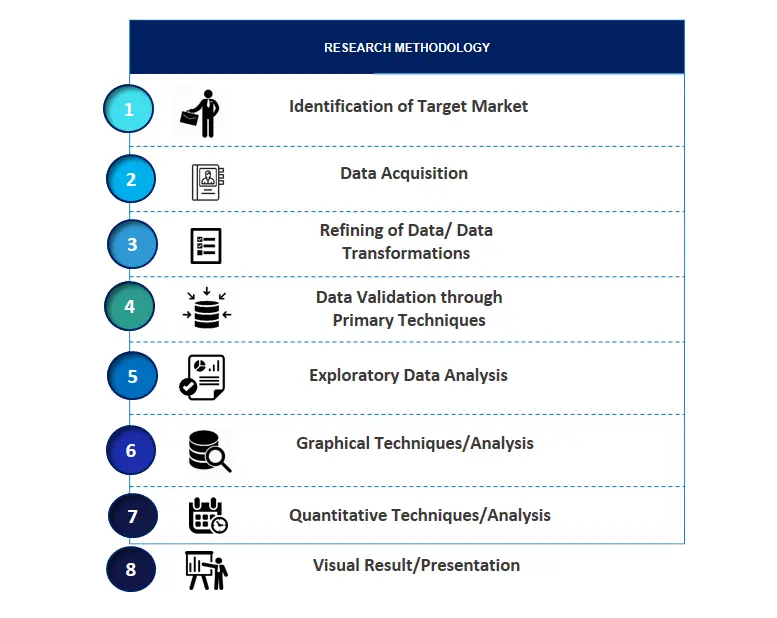
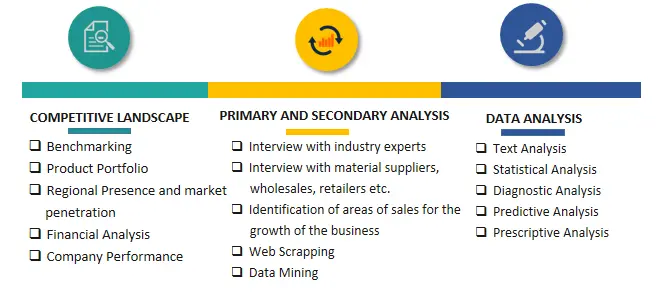
SPER Market Research’s methodology uses great emphasis on primary research to ensure that the market intelligence insights are up to date, reliable and accurate. Primary interviews are done with players involved in each phase of a supply chain to analyze the market forecasting. The secondary research method is used to help you fully understand how the future markets and the spending patterns look likes.

The report is based on in-depth qualitative and quantitative analysis of the Product Market. The quantitative analysis involves the application of various projection and sampling techniques. The qualitative analysis involves primary interviews, surveys, and vendor briefings.  The data gathered as a result of these processes are validated through experts opinion. Our research methodology entails an ideal mixture of primary and secondary initiatives.
SPER-Methodology-1

SPER-Methodology-2

SPER-Methodology-3


Frequently Asked Questions About This Report
Used pickup trucks are increasingly preferred because they offer cost-effective and durable solutions for both commercial and personal use. Their versatility and load-carrying capacity make them ideal for industries such as construction, agriculture, logistics, and small businesses.
Digital resale platforms and organized dealerships are improving transparency, pricing accuracy, and buyer confidence. These platforms make it easier for consumers to compare options, access verified vehicle histories, and purchase trucks with greater trust and convenience.
Key growth drivers include rising e-commerce activities, infrastructure development, and strong demand from rural and semi-urban areas. These regions rely heavily on pickup trucks for transportation and logistics, further fueling steady market expansion across Asia-Pacific.
PLACE AN ORDER
  • 15 % off
     
    $ 4250
  • 20 % off
             
    $ 5650
  • 25 % off
         
    $ 7450
Pre-Purchase Inquiry
SEND AN INQUIRY
NEED CUSTOMIZATION?
Request Customization
CALL OR EMAIL US
US:
India:
Email:
100% Secure Payment

SPER American Express
SPER VISA
SPER Master Card
SPER Mestro
SPER Paypal
SPER CCAvenues

Have a glance of the Report

  Download Free Sample

Looking for Customization?

 Customization Request

Have a Question?

 Reach Our Analysis Team

COVID-19 impact analysis?

 Request Analysis
Thought Leadership

Trusted by Industry Leaders

Our data-driven insights have influenced the strategy of 200+ reputed companies across the globe.

SPER-Astellas Pharma
SPER-Microsoft
SPER-EY
SPER-McKinsey
SPER-Bain
SPER-Max-Healthcare
SPER-DHL
SPER-IQVIA
SPER-Mitsubishi Logistics
SPER-PACCOR
SPER-Macmillan Education
SPER-Kankar IMRB
SPER-ITA
SPER-PWC
SPER-SAPTCA
SPER-Straumann
SPER-Danaher
SPER-AandM
SPER-MENARINI Silicon Biosystems
SPER-IPSOS
SPER-Heineken
HIPPA Compliant
GDPR Certified
ISO 27001
Peer Reviewed
Get Started Today

Your Competitive Advantage in
Pharmaceutical & Medical Technology
Markets

Join industry leaders leveraging AI-powered intelligence to make confident, data-driven decisions that accelerate breakthrough treatments and technologies to market.

No Credit Card Required
15-Minute Demo
Expert Guidance